
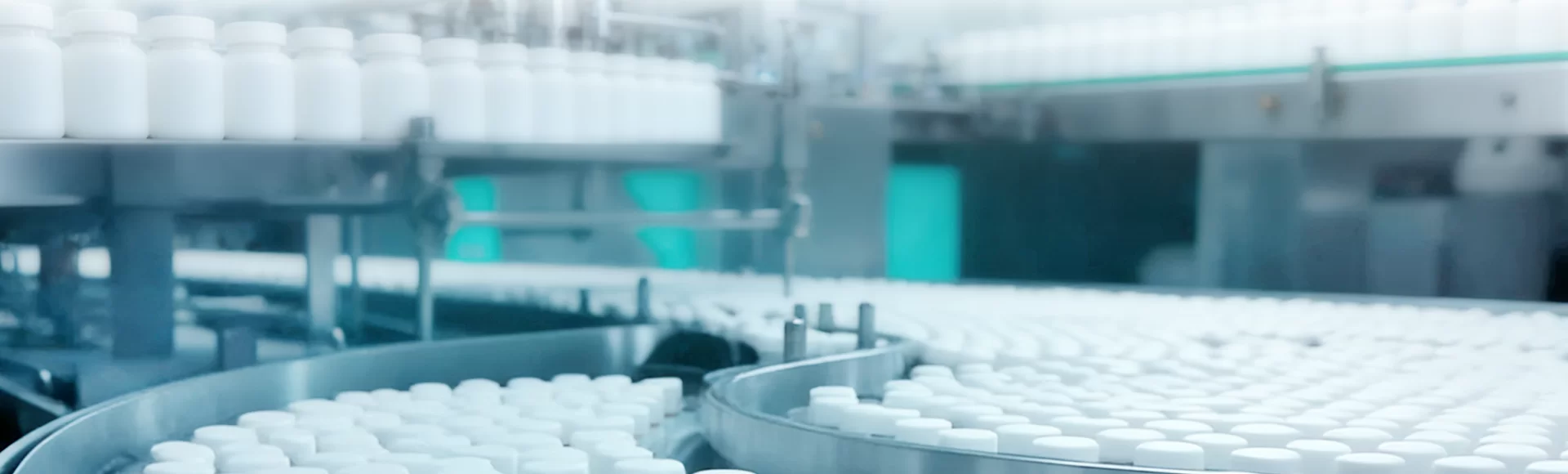

A spoonful of fruit and vegetable powder looks simple, but getting fresh produce into that fine, shelf-stable form takes a controlled, multi-step process. Each stage — from the farm gate to the sealed package — shapes the color, flavor, and nutrient content of the finished powder. Whether you are a supplement brand sourcing ingredients or a consumer curious about what is inside a greens blend, here is how fruit and vegetable powder is actually made.
Step 1: Raw material selection and washing
Quality powder starts with quality produce. Fruits and vegetables are sourced at peak ripeness, when their vitamin, mineral, and phytonutrient levels are highest, and any bruised or spoiled pieces are sorted out before processing begins. The raw material is then washed thoroughly in clean water to remove soil, dust, and surface residues. This is not a cosmetic step: anything left on the produce at this point ends up concentrated in the final powder, so reputable processors treat washing as their first line of quality control.
Step 2: Pre-treatment — peeling, slicing, and blanching
Next, the produce is prepared for even drying. Fruits may be peeled, pitted, or cored, and both fruits and vegetables are cut into uniform slices or pieces so that every piece dries at the same rate. Many vegetables also go through blanching — a brief dip in hot water or steam — which deactivates the enzymes that cause browning, off-flavors, and nutrient loss during drying and storage. Some fruits are dipped in a mild ascorbic acid solution for the same reason. Skipping or rushing pre-treatment is one of the most common reasons low-grade powders turn dull and lose potency.
Step 3: Drying, the decisive stage
Drying removes the water that makes fresh produce perishable, and the method chosen here matters more than any other step. The four approaches used across the industry are:
- Hot air drying. Warm air, typically in the 60 to 80 °C range, circulates over trays or conveyor belts until the pieces are fully dry. It is the most economical option and works well for robust root vegetables, though some heat-sensitive vitamins and bright colors fade in the process.
- Vacuum drying. Lowering the pressure inside the drying chamber lets water evaporate at gentler temperatures. This protects heat-sensitive compounds and is often used for antioxidant-rich fruits and botanicals.
- Freeze drying. The produce is frozen to around -40 °C, then placed under a near-vacuum so the ice turns directly into vapor without melting. Because the material never passes through a hot liquid phase, a freeze dried vegetable powder keeps its original shape, color, aroma, and nutrient profile remarkably well. It is the premium choice for berries, leafy greens, and supplement-grade ingredients, though it costs more to run.
- Spray drying. Juice or thin puree is atomized into a fine mist inside a tower of hot air, where each droplet dries within seconds. This is the standard route for juice powders and large-volume production because it is fast and highly scalable.
Step 4: Milling and sieving
Fully dried produce is brittle, which makes it ready for milling. Hammer mills, pin mills, or jet mills grind the material into a fine dehydrated vegetable powder or fruit powder, usually targeting a particle size somewhere between 80 and 200 mesh depending on the application. Finer powders dissolve more smoothly in drinks, while a slightly coarser grind can preserve more fiber structure. Two details separate careful producers from careless ones at this stage: keeping the milling temperature low so nutrients are not cooked a second time, and sieving every batch so the particle size stays uniform.
Step 5: Blending, testing, and packaging
Single-ingredient powders may be blended into multi-ingredient mixes at this point, and every batch is homogenized so that nutrients are evenly distributed from the first scoop to the last. Before release, the powder goes through laboratory testing. The standard checklist covers moisture content (kept below about 5 percent for stability), microbiological safety, and heavy metals. Finally, the powder is packed under low-humidity conditions into moisture-proof, light-resistant packaging — often vacuum-sealed or nitrogen-flushed — to protect it from oxidation until it is opened.
How the drying method shapes the powder
Because drying dominates the whole process, it is the first thing to ask about when judging a powder. The table below summarizes the trade-offs:
| Method | Heat exposure | Nutrient and color retention | Typical use |
|---|---|---|---|
| Hot air drying | Moderate, prolonged | Good for sturdy vegetables | Bulk powders, bakery ingredients |
| Vacuum drying | Low | Very good | Heat-sensitive botanicals |
| Freeze drying | Minimal | Excellent | Premium supplements, berries, greens |
| Spray drying | High but very brief | Good | Juice powders, large-scale runs |
From powder to finished products
A well-made powder is a versatile ingredient. It can be stirred into smoothies and instant drinks, folded into baked goods and snack bars, or pressed into capsules and tablets for dietary supplements. Solid beverages are a good example of this last step: carefully milled botanical and nutrient powders are blended into a mix that dissolves straight into water, turning concentrated plant nutrition into a convenient daily drink. Products such as the triple-action lung support solid beverage in the Cactus Botanics range show how far a properly processed powder can travel from the original harvest.
This is also why the producer behind the powder matters as much as the process itself. A manufacturer working to ISO 9001:2015 standards, with Kosher, Halal, USDA Organic, and EU Organic certifications, builds traceability and testing into every batch rather than checking quality at the end. At Cactus Botanics, that same discipline carries through from botanical extract processing and formulation work to the finished supplements sold in the store.
The bottom line
Fruit and vegetable powder is made by selecting ripe produce, washing and pre-treating it, drying it with a method matched to the ingredient, milling and sieving it to a consistent fineness, and then testing and packaging it against moisture and oxidation. Of all these steps, drying has the greatest influence on the nutrition, color, and flavor that survive into the jar. Knowing how the process works makes it much easier to tell a carefully crafted powder from a commodity one — and to choose supplements and functional foods built on ingredients that were handled with care from the start.