
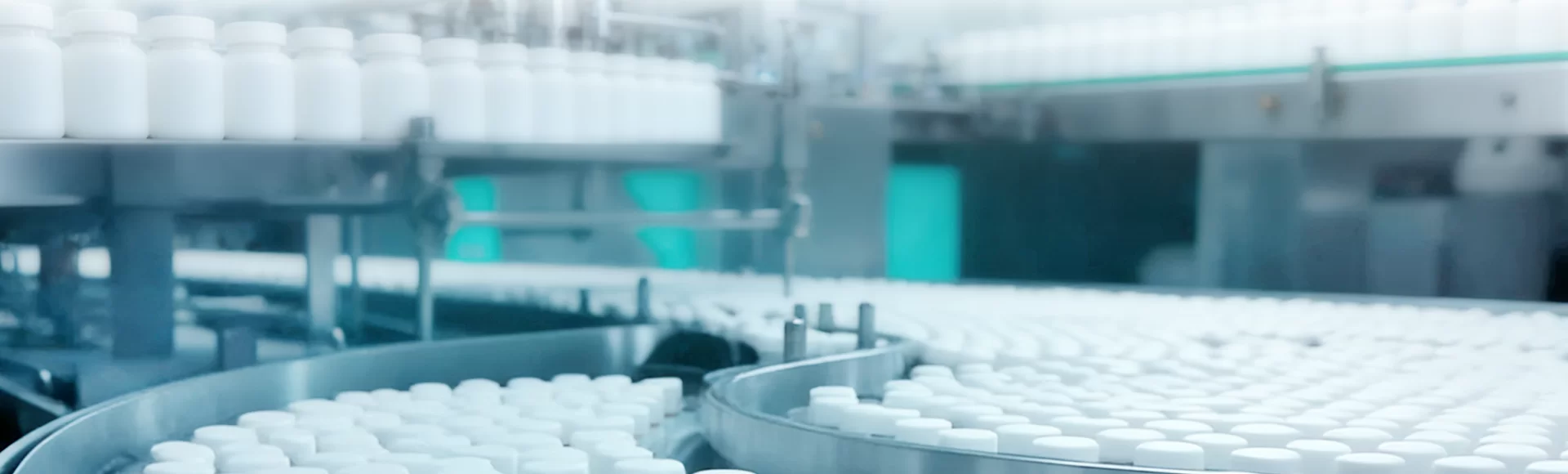

Flip a vitamin bottle around and scan the label, and there is a good chance you will spot “silica” or “silicon dioxide” listed somewhere. Sometimes it appears in the Supplement Facts panel as a featured ingredient; other times it sits quietly in the “Other Ingredients” section. So what is silica in vitamins, exactly — a nutrient worth seeking out, or simply a manufacturing helper? The honest answer is that it can be either one, and knowing the difference tells you a lot about the product in your hand.
What Exactly Is Silica?
Silica is the common name for silicon dioxide (SiO₂), a natural compound built from silicon and oxygen. Silicon is the second most abundant element in the Earth’s crust — it is the main component of sand and quartz — and it also shows up throughout the plant kingdom, especially in grasses, whole grains, and leafy greens.
In the supplement world, the word “silica” can refer to two related but distinct things:
- Nutritional silica — bioavailable forms such as orthosilicic acid, or silica extracted from plants like bamboo and horsetail, added because silicon plays a genuine role in the body.
- Excipient silica — a fine, food-grade amorphous silicon dioxide powder used in very small amounts to keep powdered ingredients free-flowing during manufacturing.
Checking which section of the label lists silica is the fastest way to understand why it is there.
Why Silica Appears in Vitamins: Two Very Different Roles
1. Silica as an active ingredient
When silica shows up in the Supplement Facts panel — often as bamboo extract standardized for silica, horsetail extract, or stabilized orthosilicic acid — it is there for its nutritional value. Silicon is a trace element concentrated in connective tissues, including skin, bones, tendons, and blood vessel walls. A silica dietary supplement is typically chosen by people looking to support their hair, skin, nails, and bones from within.
2. Silica as a manufacturing aid
When silicon dioxide appears under “Other Ingredients,” it is working behind the scenes as an anti-caking agent. Vitamin, mineral, and botanical powders naturally absorb moisture from the air and clump together, which makes capsules hard to fill accurately and tablets hard to press evenly. A light dusting of silicon dioxide coats the particles and keeps the blend free-flowing, so every capsule ends up with a consistent, accurate dose.
The amounts involved are small. U.S. regulations cap silicon dioxide at 2% of a product’s weight, and most formulas use far less — typically just 1 to 10 mg per capsule. For context, an everyday diet supplies roughly 20 to 50 mg of silicon per day from foods like whole grains, green beans, and bananas.
What Does Silica Do in the Body?
When silica is included as a nutritional ingredient, the interest goes beyond the label. Research over the past few decades has linked dietary silicon with several aspects of connective tissue health:
- Collagen formation. Silicon is involved in the body’s collagen synthesis process, and collagen is the structural protein that gives skin, tendons, cartilage, and bones their framework.
- Bone health. Population studies have found positive associations between higher dietary silicon intake and bone mineral density, particularly in men and premenopausal women.
- Hair, skin, and nails. Because these tissues are rich in collagen and other structural proteins, silica is a long-standing favorite in beauty-focused formulas.
- Connective tissue support. Silicon naturally accumulates in tissues like the aorta and tendons, where elasticity and strength matter most.
It is worth keeping expectations realistic: silicon is a supporting player, not a magic bullet. It works alongside nutrients like vitamin C, vitamin D, calcium, and magnesium rather than replacing them.
How Much Silica Do You Actually Need?
There is no official recommended daily allowance for silicon, and no clearly defined deficiency state in humans. Most people take in around 20 to 50 mg per day from food, with whole grains, cereals, green beans, bananas, and some mineral waters among the richer sources.
Supplements simply concentrate what the diet provides. Bamboo-derived silica products, for example, are often standardized to a high percentage of natural silica, while orthosilicic acid formulas focus on absorption. Whichever form you choose, follow the serving size on the label rather than assuming more is better.
Is Silica in Vitamins Safe?
Much of the worry around silica comes from mixing up two very different forms. Crystalline silica — the kind found in sand, quartz, and construction dust — is a documented respiratory hazard when inhaled over years of occupational exposure. That risk has nothing to do with swallowing a capsule.
The silicon dioxide used in food and supplements is the amorphous form, which lacks that crystalline structure. It is classified as Generally Recognized as Safe (GRAS) by the U.S. FDA and approved as additive E 551 in Europe. Most of it passes through the digestive tract unabsorbed, and the small fraction that does enter the bloodstream is water-soluble and cleared by the kidneys — urinary excretion peaks within roughly three to eight hours, so it does not build up in the body.
Nutritional silica from bamboo, horsetail, or orthosilicic acid also has a long history of use. As with any supplement, people with severe kidney disease, and women who are pregnant or nursing, should check with a healthcare professional first.
How to Choose a Quality Silica Supplement
If you are shopping for silica as an active ingredient, a few practical checks go a long way:
- Check the form. Look for clearly named sources such as bamboo extract, horsetail extract, or orthosilicic acid, ideally with standardization stated on the label.
- Check where it sits on the label. Silica in the Supplement Facts panel is a featured nutrient; silicon dioxide under “Other Ingredients” is a flow aid. Both are normal — they just serve different purposes.
- Check the maker. Because most nutritional silica comes from plants like bamboo and horsetail, a supplier with real botanical expertise matters. Look for a dietary supplement company that works with certified facilities and can trace its raw materials.
At Cactus Botanics, quality control starts at the source. Our botanical dietary supplements are produced in ISO 9001:2015 standard facilities, and our ingredient operations hold Kosher, Halal, USDA Organic, and EU Organic certifications — the same standards we apply across our finished product lines.
Frequently Asked Questions
Is silica the same thing as silicon?
Not quite. Silicon is the element; silica (silicon dioxide) is the compound silicon forms with oxygen, and it is the form you will see on supplement labels. In nutrition writing, the two terms are often used loosely, but they refer to the same family of compounds.
Is it safe to take silicon dioxide in vitamins every day?
Yes. The few milligrams used as an anti-caking agent are far below what you already consume from food each day, and regulators in the U.S. and Europe have repeatedly confirmed its safety at these levels.
Can a silica supplement replace collagen?
They do different jobs. Collagen supplements supply the protein itself (or its building blocks), while silica supports the body’s own collagen-producing machinery. Many people use them together rather than choosing one over the other.
Who should be cautious with silica supplements?
Anyone with serious kidney problems should discuss all supplements — including silica — with their doctor, since the kidneys handle silicon excretion. The same advice applies during pregnancy and breastfeeding.
The Bottom Line
Silica in vitamins is nothing to fear — and sometimes it is the whole point of the product. In the “Other Ingredients” section, silicon dioxide is a safe, tightly regulated flow aid that keeps your supplements consistent from the first capsule to the last. In the Supplement Facts panel, nutritional silica from botanical sources offers targeted support for collagen, bones, hair, skin, and nails. Either way, the smartest move is buying from brands that are transparent about sourcing and manufacturing. To see what that looks like in practice, browse the Cactus Botanics online store.