
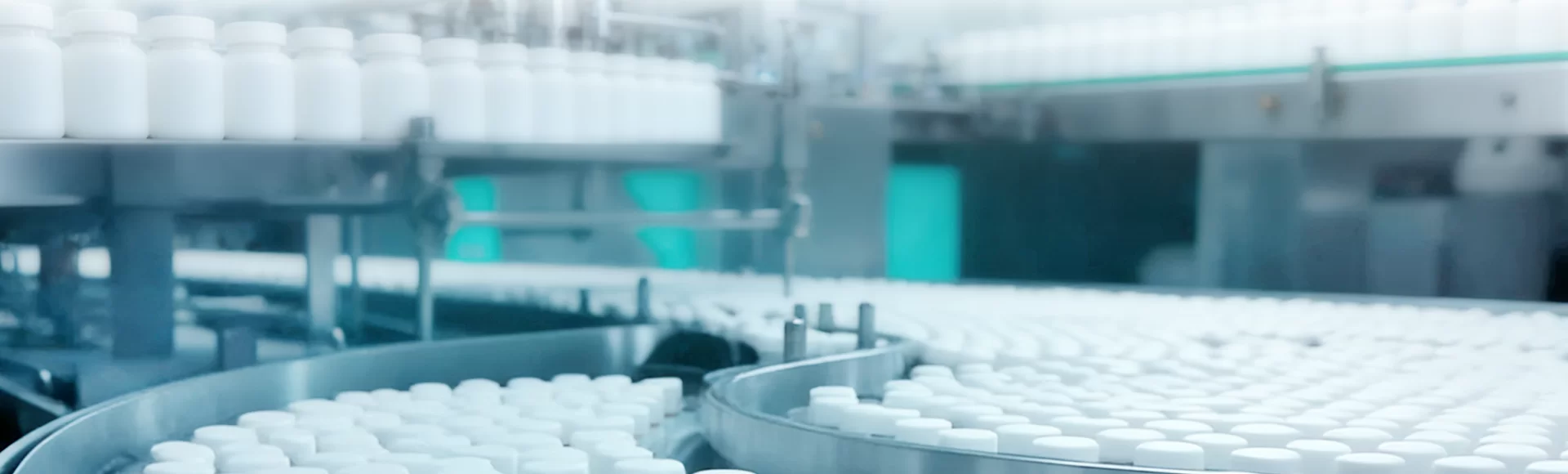

If you are planning to launch your own beauty line, one of the first questions you will probably ask is: can a skin care products factory do private labeling? The short answer is yes. For most professional factories, private labeling is not a side service at all — it is their core business model. A qualified factory can take your brand from an idea on paper to a shelf-ready product by handling formulation, filling, packaging, and labeling entirely under your brand name.
This article explains what private labeling actually means, what a factory can do for you, how the process works step by step, and what you should check before signing with a manufacturing partner.
What Is Private Labeling in Skin Care?
Private labeling means that a manufacturer produces skin care products that are sold under your brand. Your logo goes on the jar, your story goes on the label, and your company owns the customer relationship — while the factory stays invisible in the background. In practice, factories usually offer two routes:
- ODM (Original Design Manufacturer): you choose from the factory’s ready-made, pre-tested base formulas, then customize details such as fragrance, texture, active levels, and packaging. This is the fastest and lowest-risk way to launch.
- OEM (Original Equipment Manufacturer): you bring a detailed brief — target skin concerns, preferred ingredients, claims, and price point — and the factory’s R&D team develops a custom formula for you. This takes longer and costs more, but gives you a product that is genuinely unique.
Many successful brands actually combine both: they launch quickly with ODM products to start generating revenue, then invest in one or two OEM “hero” products once the market has validated their concept.
What Can a Factory Actually Do for a Private Label Brand?
A full-service skin care factory covers far more than mixing ingredients. Typical capabilities include:
- Formula development and customization — adjusting textures, active ingredients, scent profiles, and skin-feel to match your positioning.
- Raw material sourcing — especially valuable when the factory has its own botanical ingredient supply chain, since plant-based actives are a major selling point in modern skin care.
- Filling and assembly — jars, bottles, tubes, airless pumps, droppers, and secondary packaging such as boxes and cartons.
- Label printing and artwork support — applying your branding to every unit with consistent, professional results.
- Quality control and documentation — batch records, certificates of analysis (COA), stability testing, and microbiological reports that you will need for retailers and marketplaces.
In other words, the factory handles the entire technical and production side, so you can focus on branding, marketing, and selling.
How the Private Label Process Works, Step by Step
While every project is different, most private label orders follow a similar path:
- Define your brief. Decide who the product is for, which skin concern it targets, and the two or three claims you want to make. A clear brief prevents endless sampling rounds later.
- Choose ODM or OEM. Pick a proven base formula for speed, or commission a custom formula for uniqueness.
- Request and test samples. Evaluate texture, absorption, scent, and finish. Test them with a small group from your target audience before committing.
- Confirm packaging and artwork. Select containers, closures, and boxes, then finalize label designs that include correct ingredient lists and required warnings.
- Production and quality control. The factory fills, labels, and inspects your order under its quality management system, then releases it with supporting documents.
- Shipping and reorder planning. Arrange freight, launch your product, and plan the next production run before stock runs low.
For stock (ODM) formulas, this journey from first contact to finished goods can take as little as a few weeks. Custom OEM projects naturally take longer because of formulation rounds and stability testing.
What Should You Check Before Choosing a Factory?
Not all factories are equal, and the wrong partner can cost you months of delay and thousands of dollars in unsellable stock. Before you commit, verify the following:
- Certifications. Look for ISO 9001 quality management certification at a minimum. If your brand story involves natural, organic, kosher, or halal positioning, check that the factory holds the matching certifications rather than just making verbal claims.
- Minimum order quantity (MOQ). Across the industry, MOQs typically range from a few hundred to a few thousand units per SKU, depending on the product type and level of customization. Make sure the number fits your launch budget and storage capacity.
- Documentation. Ask upfront which documents you will receive with each batch — at minimum a COA and product specification sheet, plus stability and microbiological test results for leave-on skin care.
- Sampling speed and communication. A factory that answers questions quickly and ships samples promptly will usually be reliable during production too.
- Ingredient capability. If your line is built around botanical actives, a partner with in-house botanical extraction and formulation experience will give you more credible formulas than a generic filler.
Comparing several skin care products manufacturers against this checklist is the single most effective way to protect your investment.
Private Label Skin Care With Cactus Botanics
Cactus Botanics is a global ingredients and manufacturing company with operations in the United States and Europe. Alongside its dietary supplement lines, the company provides botanical extract processing, formulation processing, and skin care product services — a combination that is particularly valuable for brands built around plant-based ingredients.
Because the company controls its own botanical ingredient chain, it can support brands with private label botanical extracts and botanical-based skin care formulations from a single source. Its facilities operate to the ISO 9001:2015 standard and hold Kosher, Halal, USDA Organic, and EU Organic certifications, which makes compliance conversations with retailers and marketplaces much easier.
The company’s working principles are straightforward: rigorous quality control, innovative conceptions, reasonable pricing, and responsive customer service. For a new brand, that translates into consistent batches, formulas that stand out, unit costs that leave room for healthy margins, and a team that actually answers your emails.
Frequently Asked Questions
Is private labeling legal and common?
Yes. Private labeling is a standard, fully legal practice used by many of the beauty brands you see on retail shelves and online marketplaces. The brand owns the customer-facing identity; the factory provides the manufacturing expertise behind it.
How much money do I need to start?
Your main cost drivers are the MOQ, the formula route (ODM is cheaper than OEM), and your packaging choices. Starting with one or two ODM products and simple packaging keeps the initial investment manageable, and you can expand once sales prove the concept.
Can I change a stock formula later?
Usually yes. Many factories allow adjustments to fragrance, color, or active levels on base formulas, and a successful ODM product can later be upgraded into a fully custom OEM version as your budget grows.
The Bottom Line
So, can a skin care products factory do private labeling? Absolutely — that is precisely what professional factories are built for. The real question is not whether it is possible, but which partner you choose. Look for solid certifications, transparent documentation, a sensible MOQ, and genuine ingredient expertise, and your brand can move from concept to customers faster than you might expect. If you are ready to discuss a private label project, reach out to Cactus Botanics through the website to start the conversation.