
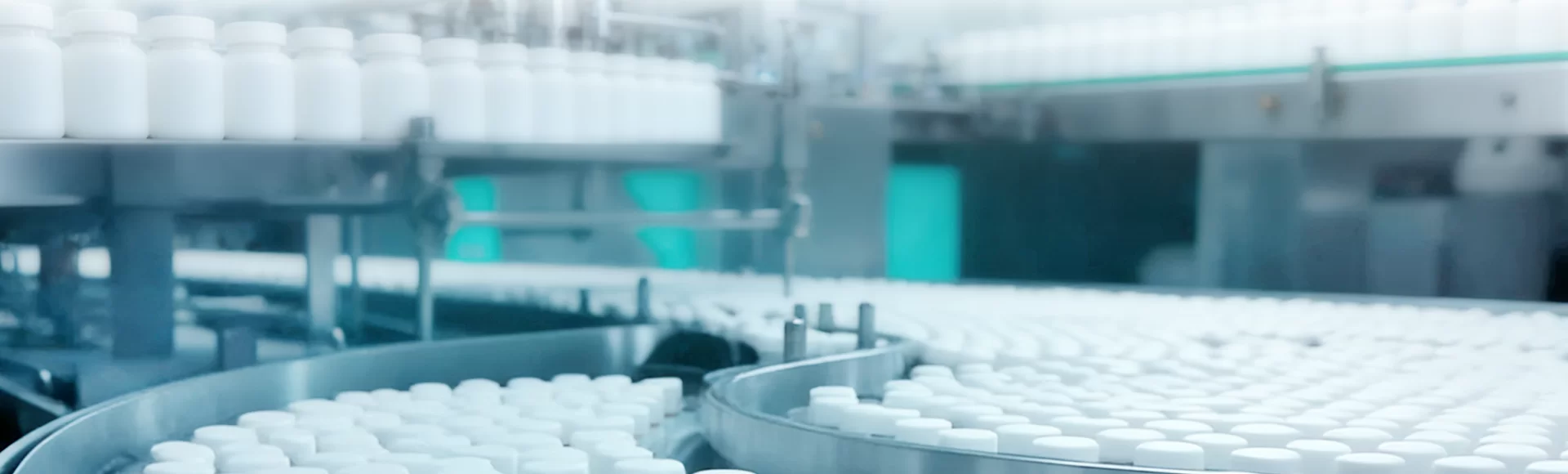

Walk down any beauty aisle and nearly every hydrating serum leads with the same hero ingredient. Yet two bottles labeled hyaluronic acid can perform very differently on skin, and the gap rarely comes down to marketing. It comes down to how the formula was built, what kind of facility produced it, and how carefully each batch was checked. For brand owners and private label buyers, understanding what happens inside a hyaluronic acid essence manufacturer is the fastest way to separate partners worth trusting from suppliers who simply relabel a generic bulk blend.
A Hyaluronic Acid Essence Is Never Just One Ingredient
Hyaluronic acid is famous for one trick: it can bind up to 1,000 times its weight in water. What marketing copy rarely mentions is that “hyaluronic acid” on a label can mean several different raw materials, and the choice between them changes how the finished essence behaves.
A well-built hyaluronic acid essence usually combines several molecular weights at once. High molecular weight HA sits on the surface and forms a light, breathable film that slows moisture loss and gives that immediate plumped look. Low molecular weight grades and sodium hyaluronate penetrate further into the skin’s upper layers, hydrating where surface films cannot reach. Formulators often add a mid-weight fraction to bridge the two, then round the formula out with supporting humectants such as glycerin, betaine, or panthenol so hydration comes from more than one mechanism.
There is also a quiet detail most buyers overlook: an essence is mostly water. Depending on the formula, water can make up the large majority of the bottle, which means the quality of a manufacturer’s purified water system has more influence on the final product than almost any single active. A serious facility treats, deionizes, and routinely tests its water rather than drawing straight from a municipal line.
What Actually Happens on the Factory Floor
From the outside, essence production looks simple: water, powder, mix, fill. In practice, hyaluronic acid is a demanding raw material, and small process decisions show up directly in the finished texture.
Hydration and mixing. High molecular weight HA does not dissolve instantly. It swells slowly and can clump if it is dumped into a tank too fast. Experienced production teams control the order of addition, water temperature, and mixing speed so the polymer hydrates evenly. Rush this step and the essence ends up stringy, uneven, or unpleasantly sticky on skin.
Rheology control. The difference between an essence that feels elegant and one that feels like glue is rheology: the flow behavior of the liquid. Manufacturers fine-tune viscosity so the product spreads easily, absorbs quickly, and layers well under serums and creams. This is measured with instruments, not guessed by touch.
Preservation and stability. Any water-based product is a welcoming environment for microbes, so the preservative system has to be validated with challenge testing, where the formula is deliberately inoculated and must prove it can defend itself. Stability testing follows: heat and cold cycles, centrifuge runs, and light exposure to confirm the essence will look, smell, and perform the same at the end of its shelf life as it did on day one. A hyaluronic acid essence supplier that cannot show you this documentation is asking you to take the most important part of product safety on faith.
Batch records. Every batch should be traceable: which raw material lots went in, who ran the line, what the quality checks showed. When a brand later needs to investigate a customer complaint, those records are the difference between a quick answer and a recall.
Certifications That Are Worth the Paper
Certification logos are easy to print and surprisingly easy to exaggerate, which is exactly why they matter. The useful ones are issued by third parties and can be verified against a certificate number with the issuing body.
- ISO 9001:2015 confirms the facility runs a documented quality management system: written procedures, internal audits, corrective actions when something drifts out of spec.
- USDA Organic and EU Organic matter when a formula leans on certified organic plant ingredients, because they verify the supply chain back to the farm, not just the finished bottle.
- Kosher and Halal certification widen the markets a product can enter and signal that ingredient sourcing is reviewed against strict standards.
Cactus Botanics, a global ingredients company with operations in the United States and Europe, works to the ISO 9001:2015 standard and holds Kosher, Halal, USDA Organic, and EU Organic certifications across its operations. That combination is worth looking for in any partner, because it reflects a quality system that has survived repeated outside audits rather than a one-time promise.
Beyond HA: Pairing Essences With Botanicals
Pure hydration is only half the story. Many of the best-performing essences pair hyaluronic acid with plant-derived actives: green tea for antioxidant support, centella asiatica for soothing, licorice root for a brighter look. The concept is simple, but execution depends entirely on the quality of the extracts going into the tank.
This is where a manufacturer’s sourcing depth shows. Botanical extracts vary enormously in purity and active content, and heat-sensitive compounds can be damaged by careless processing. Cold-extraction techniques preserve delicate actives, while verified supply chains keep pesticide residues and heavy metals out of the formula. Cactus Botanics built its reputation on botanical extract processing and formulation work, which is why its white label store applies the same raw material discipline to finished products that it demands at the ingredient level.
Practical tip: when you request a sample essence, ask for the certificate of analysis for both the HA raw material and any botanical extracts in the formula. A manufacturer that controls its supply chain will have these on file and will share them without hesitation.
White Label or Custom Formulation: Picking Your Path
Once you understand how an essence is made, the next decision is how your own product comes to market. There are two realistic routes.
White label. You start from a proven base formula the manufacturer has already developed and stability-tested. It is faster, carries lower minimum order quantities, and removes most of the technical risk, because the formula has a production history. For a first product or a fast market test, this is usually the sensible choice.
Custom formulation. You specify the actives, texture, fragrance policy, and packaging, and the manufacturer develops a formula around your brief. It takes longer and requires its own stability and preservative validation, but the result is a product no competitor can copy from the same shelf. Either way, the manufacturer behind the product determines whether the label claims hold up, which is why buyers seeking high quality skin care products should evaluate the factory first and the brochure second.
Seven Questions to Ask Before You Sign
Bring this checklist to your next supplier call:
- Can you share batch certificates of analysis and microbial test results for the exact formula I would receive?
- Which molecular weight grades of hyaluronic acid do you use, and what is the combined concentration in the finished essence?
- Is your purified water system validated and tested on a schedule?
- Do you run preservative challenge testing and stability studies in house or through a third-party lab?
- Which certifications are current, and can I verify the certificate numbers with the issuing bodies?
- What are the minimum order quantities and lead times for a first order and for reorders?
- Can I receive pre-production samples, and will formula ownership terms be put in writing?
A capable skin care product supplier will answer these directly and in writing. Vague answers, especially on testing and traceability, tell you most of what you need to know.
Start With a Partner That Shows Its Work
Cactus Botanics is a global ingredients company operating in the United States and Europe, with botanical extract processing, formulation processing, and skin care product services built on ISO 9001:2015 facilities and Kosher, Halal, USDA Organic, and EU Organic certifications. The same discipline behind its ingredient work runs through its White Label Online Store, where every finished product reflects the company’s standards for rigorous quality control, reasonable pricing, and responsive customer service.
Whether you are sourcing an essence for your own brand or simply want to see what a quality-first ingredients company puts its name on, explore the full range at Cactus Botanics and judge the craftsmanship for yourself.